
Land Ownership and Lease Renewal for Foreigners in Kenya: Complete 2025 Guide
Kenya remains one of East Africa’s strongest property investment destinations, attracting foreign investors, diaspora buyers, expatriates, and multinational companies. However, foreign ownership of land in Kenya is governed by strict constitutional and statutory rules. Understanding these regulations is crucial for anyone intending to invest in Kenyan real estate.
This comprehensive guide explains:
- How foreigners can own land in Kenya
- The constitutional limits on foreign land tenure
- The 99-year lease rule
- The land lease renewal process for foreigners
- Conditions that may affect renewal
- Key case law (Del Monte example)
- How to stay compliant and protect your investment
Let’s dive in.
1. Land Ownership for Foreigners in Kenya: Constitutional Limits
The Constitution of Kenya (2010) allows individuals to acquire and own property but places strict limitations on non-citizens. Under Article 65, foreigners may hold land only on leasehold tenure, and the lease cannot exceed 99 years.
Key reforms introduced under the 2010 Constitution:
- All foreign leases exceeding 99 years were automatically reduced to 99 years.
- Any freehold interest held by foreigners was converted to leasehold.
- Foreigners cannot own freehold land in Kenya.
These reforms were designed to address historical injustices where non-citizens held vast tracts of land for centuries under 999-year colonial leases.
Although the Constitution mandated conversions, the National Land Commission (NLC) has not formally issued public conversion notices to date.
2. Foreign Lease Tenure in Kenya: Maximum of 99 Years
While the maximum lease period is 99 years, the actual lease term issued may differ depending on:
- County zoning regulations
- Intended land use (commercial, residential, agricultural, industrial)
- Environmental or security considerations
Examples:
- Industrial zones may offer shorter leases due to planning considerations.
- Residential areas may offer longer leases, approaching the 99-year cap.
Foreigners must therefore be aware of local county policies before committing to land investments.
3. Lease Renewal for Foreigners: Understanding the Legal Framework
The renewal and extension of land leases in Kenya is governed by several laws:
- Land Act (Section 13)
- Land Registration Act
- Land Control Act
- Land (Extension and Renewal of Leases) Rules 2017
These give the National Land Commission the authority to regulate lease extensions and ensure compliance with land-use planning rules.
4. Expiry Notices: What Foreign Landowners Should Expect
The NLC is legally mandated to:
- Issue a written notice to the lessee 5 years before the lease expires.
- Publish a notice in a local newspaper if there is no response within 12 months.
If the lessee fails to act before the expiration date:
✔ The lease is extinguished
✔ Ownership reverts to the Kenyan government
This makes it essential for foreign investors to track their lease timelines and respond promptly.
5. Step-by-Step Guide: How Foreigners Can Renew Land Leases in Kenya
Step 1: Submit the Application to NLC
Required documents include:
- Current lease
- Passport or national ID
- Official land search (valid for 30 days)
- Proof of fees payment
- Company incorporation documents (if a company)
- Passport photo
- Letters of administration (if applicable)
Applications must be made by the registered proprietor or a legally appointed administrator.
Step 2: NLC Forwards the Application
Within 7 days, the NLC must submit the application to:
- The Cabinet Secretary for Lands (for national government land), or
- The County Executive Committee Member for Lands (for county land)
Step 3: Evaluation
Authorities assess:
- Whether the leaseholder complied with the lease terms
- Outstanding land rates or rents
- Encumbrances on the property
- Zoning and approved land use
- Citizenship and eligibility
Step 4: Approval or Rejection
If approved:
✔ A lease renewal certificate is issued.
If rejected, the applicant may appeal to:
- The Appeals Committee, then
- The Environment and Land Court (ELC)
Step 5: Valuation and New Rent Assessment
Before the new lease is issued:
- Government conducts a fresh valuation (within 90 days)
- New land rent is calculated
- The old title deed is surrendered for a new one
Step 6: Signing and Registration
The renewed lease agreement must be:
✔ Signed by all parties
✔ Registered at the Land Registry
This concludes the renewal process.
6. Why a Lease Renewal May Be Declined
A lease extension may be rejected if:
- The government requires the land for public purposes
- The land falls within a restricted or special planning zone
- The lessee breached lease conditions
- Foreign land ownership limits apply
Foreigners should therefore maintain excellent compliance records and ensure all obligations are fulfilled.
7. Conditional Renewals: The Del Monte Case Study

Land renewal approvals may sometimes come with special conditions.
A key example is Del Monte Kenya Ltd, where a county government approved the company’s lease renewal only if it surrendered 50 acres for public use.
Del Monte challenged this in court, showing that lease renewal disputes can escalate, especially when conditions appear onerous or unfair.
What Foreign Investors Should Keep in Mind
Kenya continues to offer strong opportunities for foreign real estate investment, but compliance is essential.
Key points:
- Foreigners can only hold leasehold land (maximum 99 years).
- Lease renewal is not automatic—apply early.
- Authorities may add conditions or decline renewal.
- Proper documentation and due diligence are critical.
Working with experts ensures your investment is protected.
⭐Work with Great Fortunes Properties
At Great Fortunes Properties, we help foreign nationals, diaspora buyers, expatriates, and global investors:
- Acquire land safely and legally in Kenya
- Navigate complex land laws and leasehold restrictions
- Process lease renewals and extensions
- Conduct official land searches and due diligence
- Handle county-level approvals and disputes
- Secure clean, verified, high-value real estate investments
👉 Planning to invest in property in Kenya?
👉 Need help renewing a land lease as a foreigner?
Contact Great Fortunes Properties today for expert guidance and professional support throughout your investment journey.
📞 Your perfect property in Kenya is just one conversation away
Phone No. +254707333888.
Related posts:
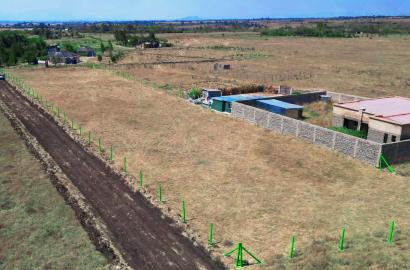
Before the rains destroy another dream, choose land that's already proven itself. Neema Gardens Phase 7, Joska — all-weather roads, water, electricity, ready title deeds, gated community, just Kes 650,000. Don't gamble your savings on land that floods. Secure a...

Still paying rent? That money is gone forever. Start your exit plan today — buy land first, build in stages, own your future. Joska Neema Gardens Phase 7 offers ready-to-settle 50x100 plots at Kes 650K, ready title, 49km from Nairobi...