How do I Verify a Title Deed in Kenya
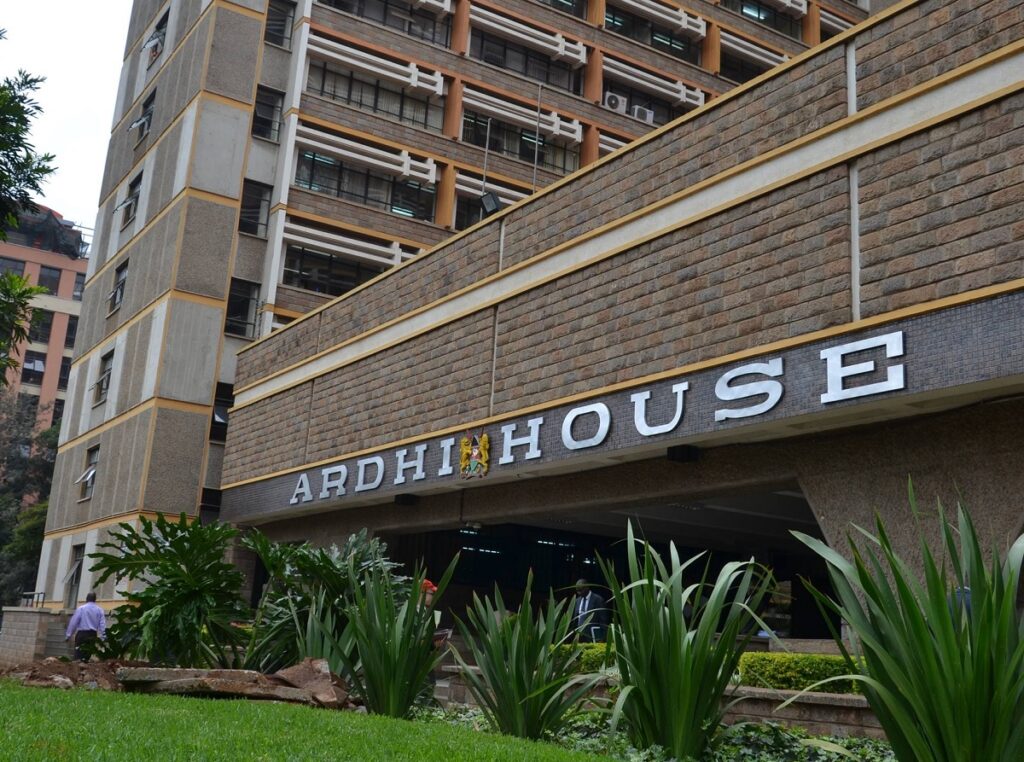
Buying land is one of the biggest financial decisions most Kenyans will make — often years of savings, sometimes a plan for retirement or for the family's future.
That's exactly why a fake title deed hurts so much. It's not just paperwork gone wrong. It's money that's gone, and often a legal battle that follows.
At Great Fortunes Properties, every plot we sell — from Kithyoko to Kamakis — goes through full title verification before it ever reaches a client. This guide walks you through exactly how we do it, so you can protect yourself the same way, whether you buy from us or anyone else.
In short
Here's the whole process before we get into the details: create a free Ardhisasa account, request a land search (Ksh 500–1,000), and wait 1–3 days for your certificate. If your county isn't digitized yet, do the same thing manually at the land registry. Either way, still inspect the physical deed yourself, and don't sign anything until a lawyer and surveyor have both signed off.
Now here's how each part actually works.
Why verification matters
A title deed on its own is not proof. It's a claim.
The Ministry of Lands and the DCI have both flagged that a meaningful share of title deeds in circulation carry irregularities — forgeries, hidden caveats, land already charged to a bank.
Verification is what turns that claim into something you can safely build on — a home, a business, an inheritance for your children.
Step 1: Register on Ardhisasa

Ardhisasa (ardhisasa.lands.go.ke) is Kenya's official digital land registry.
It's fully live in Nairobi and Murang'a. Kiambu, Machakos, Isiolo, and Mombasa are in active rollout, with the rest of the 47 counties to follow.
To register, you'll need:
- Your national ID number
- KRA PIN
- A Kenyan mobile number (for SMS verification)
- An email address
Once verified, you'll land on your Ardhisasa dashboard. It only takes a few minutes.
Step 2: Request the land search
- Select Land Search on your dashboard.
- Enter the title deed number or LR/plot number.
- Pay the search fee — currently around Ksh 500–1,000, depending on the county. M-Pesa, card, or bank transfer all work.
Here's the part most first-time buyers don't expect: the registered owner must consent before your results are released.
A genuine seller has nothing to hide and every reason to want you confident in the purchase. If someone refuses the search or goes quiet when you ask, treat it as a serious warning sign — not an inconvenience to work around.
Step 3: Review the search certificate
Your certificate usually arrives within 1–3 business days. It shows:
- The registered owner's full name and ID
- The land reference number and plot size
- Any encumbrances — caveats, charges, mortgages, disputes
- The date of registration
Check this first: does the registered owner's name match the person selling you the land? If it doesn't, they need to show real legal authority — a power of attorney or letters of administration — not just an explanation of why it's "basically theirs to sell."
Take the time to read this carefully, even if you're eager to close the deal. It's the cheapest insurance you'll buy in this whole process.
Step 4: County not on Ardhisasa yet?
Some counties are still rolling out. Sectional titles (apartments/flats) aren't in the system at all.
An empty search result isn't automatically good news or bad news — it just means you verify the older way. Visit the county land registry with:
- A copy of the title deed
- Your national ID
- A completed RL 26 form
- The search fee (roughly Ksh 500–1,000)
A manual search takes about the same 1–3 working days, and gives you the same answers.
Step 5: Check the physical document too
A digital search doesn't replace a physical check of the deed itself.
Titles issued post-2012 carry watermarks, cadastral maps, and QR codes linking back to Ardhisasa. Look for:
- Missing pages, seals, or signatures
- A parcel number that doesn't match Ardhisasa records
- Formatting that looks "off" compared to genuine deeds
Step 6: Bring in professionals
Even a clean search result isn't the finish line.
- An advocate oversees the sale agreement and transfer and can catch legal issues a search alone won't show you.
- A licensed surveyor confirms the boundaries on the ground actually match the title deed — so the land you walked on is the land you legally own.
- Skip cash-only deals. Bank transfers leave a paper trail if something goes wrong later, and a genuine seller won't push back on this.
This is exactly what our in-house legal and survey team handles on every Great Fortunes transaction — we don't just hand you a title deed; we walk you through verifying it.
In Conclusion
A land search costs a fraction of what a fraudulent sale could cost you, both financially and in the time, it can take to fight for land that should have been yours from the start.
Register on Ardhisasa. Request the search. Match every detail. Bring in a lawyer and surveyor before you sign anything.
Looking at a plot in Kithyoko or a home in Ruiru? Our team can walk you through the search results for that specific parcel — reach out and we'll show you exactly what a clean title looks like.
Related posts:
Before the rains destroy another dream, choose land that's already proven itself. Neema Gardens Phase 7, Joska — all-weather roads, water, electricity, ready title deeds, gated community, just Kes 650,000. Don't gamble your savings on land that floods. Secure a...
Still paying rent? That money is gone forever. Start your exit plan today — buy land first, build in stages, own your future. Joska Neema Gardens Phase 7 offers ready-to-settle 50x100 plots at Kes 650K, ready title, 49km from Nairobi...