
10 Costly Mistakes First-Time Land Buyers in Kenya Make — And How to Avoid Them
Buying land in Kenya is one of the smartest long-term investments you can make. Whether you want to build a home, start a business, or secure your financial future, land ownership is a major milestone. But for many first-time buyers, the process can quickly become stressful due to fraud, hidden costs, legal disputes, and misinformation.
To help you make a safe and confident purchase, here are the top mistakes first-time land buyers in Kenya must avoid—and the exact steps to protect your investment.
1. Skipping Proper Due Diligence
This is the number one cause of land-buying losses in Kenya. Due diligence ensures you’re buying legitimate property from the rightful owner.
What you must do:
- Conduct an official land search at the Ministry of Lands or county lands office.
- Verify the authenticity of the title deed.
- Confirm the registered owner and check for encumbrances such as loans, caveats, restrictions, or court cases.
- Consult a qualified real estate lawyer to validate all documents.
Without due diligence, you risk buying land with fraudulent titles, ownership disputes, or outstanding debts.
2. Ignoring Zoning and Land Use Regulations
Just because land is on sale doesn’t mean you can develop it the way you want. Kenyan counties enforce zoning regulations that dictate how land can be used.
Before buying, check if the land is:
- Residential, commercial, agricultural, or industrial
- Within a future road reserve or public utility zone
- Under environmental protection (near wetlands, rivers, forests)
- Subject to development restrictions such as building height limits or density rules
For agricultural land, ensure you get Land Control Board (LCB) approval to avoid future complications.
3. Failing to Visit the Land Physically
Never rely solely on photos, videos, or maps. A physical visit gives you the real picture of what you’re about to buy.
When you visit, check:
- Accessibility and road network
- Availability of electricity, water, and sewer systems
- Terrain, drainage, and soil quality
- Boundary markers and potential encroachments
If you cannot visit yourself, send a trusted representative or hire a licensed surveyor. A site visit protects you from surprises after purchase.
4. Trusting Verbal Agreements
In Kenya, if it is not written, it does not exist. Verbal agreements offer no legal protection.
Always ensure the Sale Agreement includes:
- Full details of the buyer and seller
- Purchase price and payment terms
- Timelines, obligations, and penalties for breach
A written, signed agreement safeguards your rights and prevents disputes.
5. Not Hiring Qualified Professionals
Land transactions involve legal, technical, and regulatory procedures that most first-time buyers are unfamiliar with.
Work with:
- A real estate lawyer to authenticate documents, handle contracts, and oversee the transfer process
- A licensed surveyor to confirm boundaries and avoid encroachment disputes
- A professional valuer to determine the true market value of the property
Professionals help you avoid hidden risks and costly mistakes.
6. Underestimating Extra Costs
Many buyers plan only for the selling price and forget about additional expenses.
Budget for:
- Legal fees
- Surveyor and valuation charges
- Stamp duty (typically 2–4%)
- Title transfer and registration fees
- Land rates and clearance certificates
Planning for these costs prevents financial strain and delays.
7. Delaying the Title Deed Transfer
Paying for the land does not make you the legal owner. Ownership is only valid once the title deed is officially transferred to your name.
Delaying the transfer exposes you to risks such as:
- The seller reselling the land
- The land being used as collateral
- Family disputes if the seller passes on
- Legal battles to claim ownership later
After transfer, conduct a post-transfer search to confirm the title is registered under your name.
8. Ignoring Future Development Plans
Land value is highly influenced by surrounding development. Before buying, research the area’s future plans.
Check:
- Upcoming roads, markets, schools, or government projects
- Security and infrastructure improvements
- Long-term growth potential
- Planned commercial or residential developments
Buying in a strategic location ensures your land appreciates quickly.
9. Overlooking Succession or Family Ownership Issues
Some land—especially family or inherited land—comes with hidden disputes.
Be cautious of:
- Sellers who are not the legitimate owners
- Lack of spousal or family consent
- Pending succession cases
- Caveats placed by family members or creditors
Your lawyer should thoroughly review succession documents and court records. Speaking to neighbors or local leaders can also help uncover the land’s history.
Conclusion: Your Safety Comes First
Buying land in Kenya is a powerful investment, but only when done right. Avoiding the mistakes above—skipping due diligence, trusting verbal agreements, ignoring zoning rules, and failing to transfer the title—will save you from financial loss and legal battles.
Take your time, verify everything, and work with trusted professionals. A well-informed buyer is always a protected buyer.
Related posts:
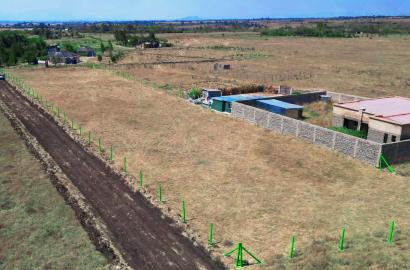
Before the rains destroy another dream, choose land that's already proven itself. Neema Gardens Phase 7, Joska — all-weather roads, water, electricity, ready title deeds, gated community, just Kes 650,000. Don't gamble your savings on land that floods. Secure a...

Still paying rent? That money is gone forever. Start your exit plan today — buy land first, build in stages, own your future. Joska Neema Gardens Phase 7 offers ready-to-settle 50x100 plots at Kes 650K, ready title, 49km from Nairobi...